Things to do
Things to Do in Rome, Italy
Rome offers a rich blend of history, culture, and everyday charm. Whether exploring ancient ruins or wandering quiet streets, there is much to see and enjoy. A stay in the city centre or one of its well-known districts can shape your experience from the first moment.
Published 27 Nov 2026
Historic Sights and Landmarks
Rome is home to several well-known ancient monuments. The Colosseum stands as a powerful reminder of imperial Rome, with its grand arches and vast underground passages. Nearby, the Roman Forum reveals the heart of daily life in ancient times, with temples, markets, and public spaces still visible.
The Pantheon, with its massive dome and open oculus, draws visitors with its architectural brilliance and serene atmosphere. In the hills above the city, the Villa Borghese gardens offer a peaceful retreat, with fountains, sculptures, and views across Rome.
The Vatican City, an independent enclave within Rome, holds the Vatican Museums and St. Peter’s Basilica. These sites contain centuries of art and religious history, including works by Michelangelo and Raphael.
Local Food and Markets
Rome’s food culture is deeply rooted in tradition and seasonal ingredients. From early morning pastries to late-night pasta, the city’s restaurants and street food stalls offer authentic flavours. Try a classic carbonara or cacio e pepe at a family-run trattoria.
Local markets provide a lively glimpse into daily life. The Campo de’ Fiori market buzzes with fresh produce, cheese, and flowers during the day. Nearby, the Mercato di Testaccio offers a more local feel, with butchers, fishmongers, and specialty shops.
Many stays include breakfast, and some offer kitchen access, making it easy to prepare simple meals or enjoy a quiet morning with local bread and fruit.
Walking and Quiet Corners
Rome’s streets are full of character, even in the busiest areas. Wandering through the narrow alleys of Trastevere reveals hidden courtyards, ivy-covered walls, and small piazzas where locals gather. The area feels timeless, with a relaxed rhythm different from the city’s main squares.
The Janiculum Hill offers panoramic views of Rome’s rooftops and domes, especially at sunset. A walk along the Tiber River, past the Isola Tiberina and the Ponte Sant’Angelo, connects historic districts with peaceful riverside paths.
The gardens of Villa Doria Pamphilj stretch across a large area, with fountains, statues, and open lawns. It’s a good place to stroll, read, or simply sit and watch the city unfold.
Day Trips from Rome
Rome’s central location makes it suitable for day trips to nearby historic towns and natural sites. Tivoli, just outside the city, holds the Villa d’Este with its ornate fountains and terraced gardens, and the Villa Adriana, a sprawling imperial retreat.
Ostia Antica, once Rome’s port, is a well-preserved archaeological site with ancient houses, shops, and a forum. It offers a quiet walk through the remains of a bustling Roman town.
The Alban Hills, with their volcanic craters and small hilltop villages, provide a change of pace. The towns of Ariccia and Frascati are known for their vineyards, local cuisine, and views over the surrounding countryside.
How Your Stay Location Can Help
Choosing where to stay in Rome can influence your daily rhythm and access to experiences. Staying in Vaticano places you near the Vatican Museums and St. Peter’s Basilica, ideal for early visits or quiet mornings. The area around Termini is well-connected for transport, making it convenient for day trips.
Trastevere offers a more residential feel, with charming streets and a lively evening atmosphere. It’s a good base for those who enjoy local life and dining out. The Prati district is close to the Vatican and has a mix of quiet residential streets and nearby cafes.
Stays in the City Center or San Giovanni are well-situated for exploring central Rome on foot. Many accommodations in these areas include amenities like kitchen access and private bathrooms, supporting a comfortable and flexible stay.
Frequently asked questions
What are some good areas to stay in Rome?
Vaticano, Trastevere, Prati, and the City Center are among the areas with many stays. Each offers different access to attractions and local life.
Can I explore Rome on foot?
Yes, many parts of Rome are walkable. The historic centre, Trastevere, and areas around the Vatican are best explored on foot, with narrow streets and hidden piazzas to discover.
Are there quiet places in Rome?
Yes, the gardens of Villa Borghese, the Janiculum Hill, and the quieter streets of Trastevere offer peaceful spots away from the crowds. The Alban Hills also provide a more rural escape.
Do I need a car in Rome?
No, Rome is well-served by public transport and is best explored on foot. Many attractions are within walking distance of central districts, and parking can be difficult.
Stays in Rome
- Restored bed and breakfast in RomaPhoto 1 of 5


Restored bed and breakfast in Roma
Roma · Vaticano
Bed & breakfast
From €76 night
- Restored bed and breakfast for 2 guests in RomaPhoto 1 of 5


Restored bed and breakfast for 2 guests in Roma
Roma
Bed & breakfast
From €86 night
- Bed and breakfast for 29 guests in RomaPhoto 1 of 5


Bed and breakfast for 29 guests in Roma
Roma · Colosseo
Bed & breakfast
From €104 night
Bed and breakfast with garden in the countryside of Roma
Roma · Parioli
Bed & breakfast
From €114 night
- Historic bed and breakfast with terrace in RomaPhoto 1 of 5


Historic bed and breakfast with terrace in Roma
Roma · Pantheon
Bed & breakfast
From €161 night
Guesthouse with air conditioning and garden in Roma
Roma · Termini
Guesthouse
From €55 night


Travel stories about Rome
Practical tips
Affordable Stays in Rome: Smart Choices for Budget Travelers
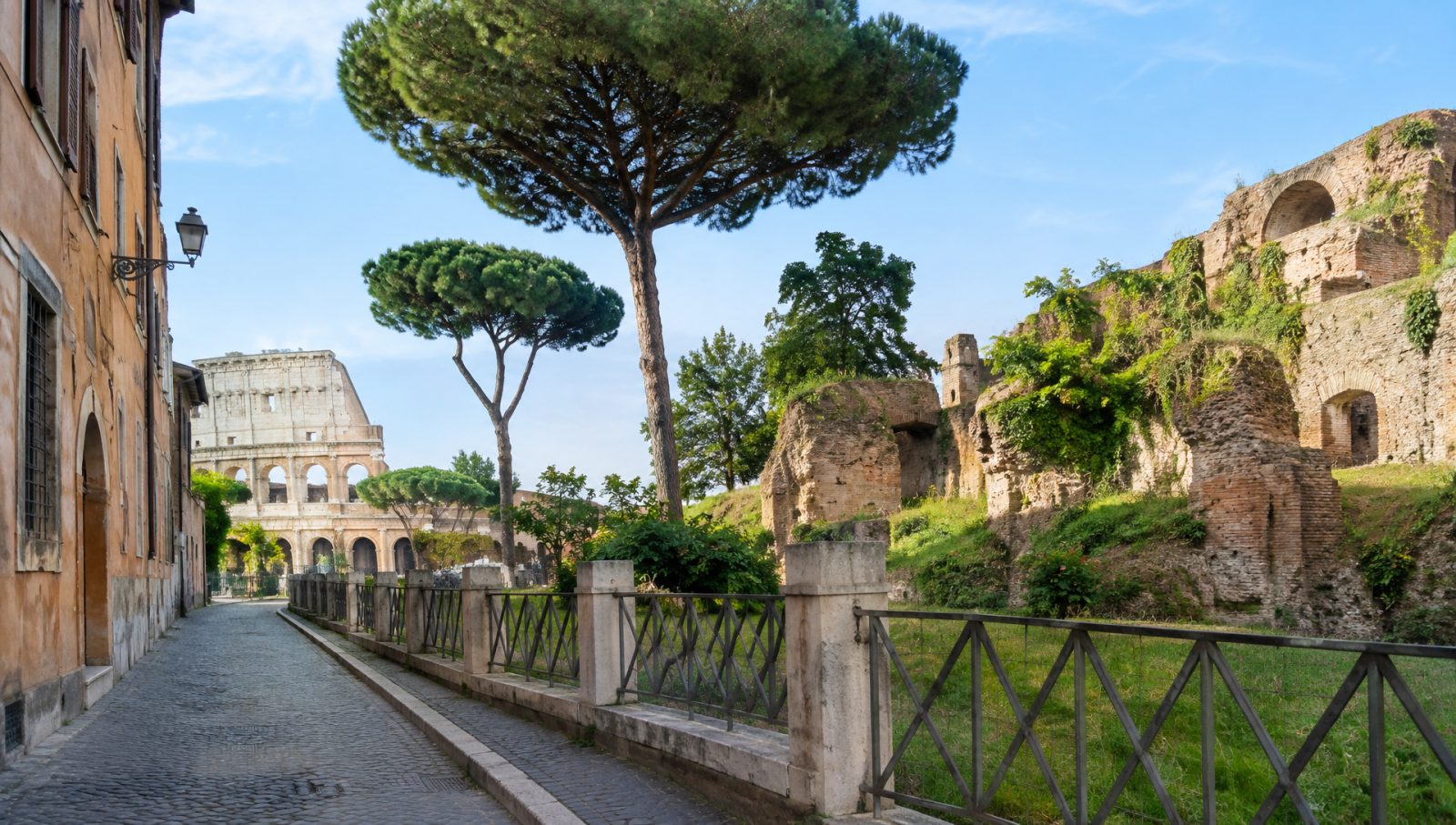
This guide helps travellers find budget-friendly accommodation in Rome by exploring price ranges, quieter periods, and smart booking strategies. Learn how to choose the right area and make a booking offer that works for your budget.
1 Oct 2026 · 4 min read
Where to stay
Planning a Family Stay in Rome: Key Features to Consider
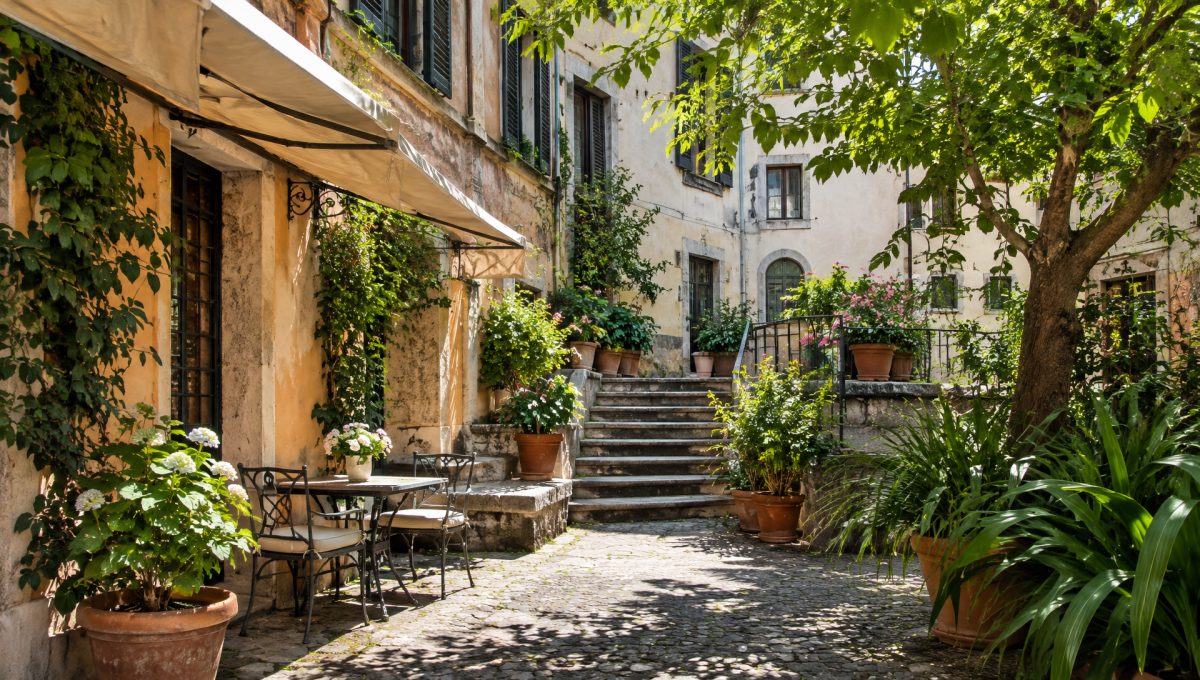
This guide helps families find the right accommodation in Rome by highlighting essential features like room size, kitchen availability, outdoor space, and quiet surroundings. It also explains how to communicate family needs clearly in a booking request.
27 Jul 2026 · 4 min read
Itineraries
A Gentle Weekend in Rome: Strolls, Lunch and Nearby Escape
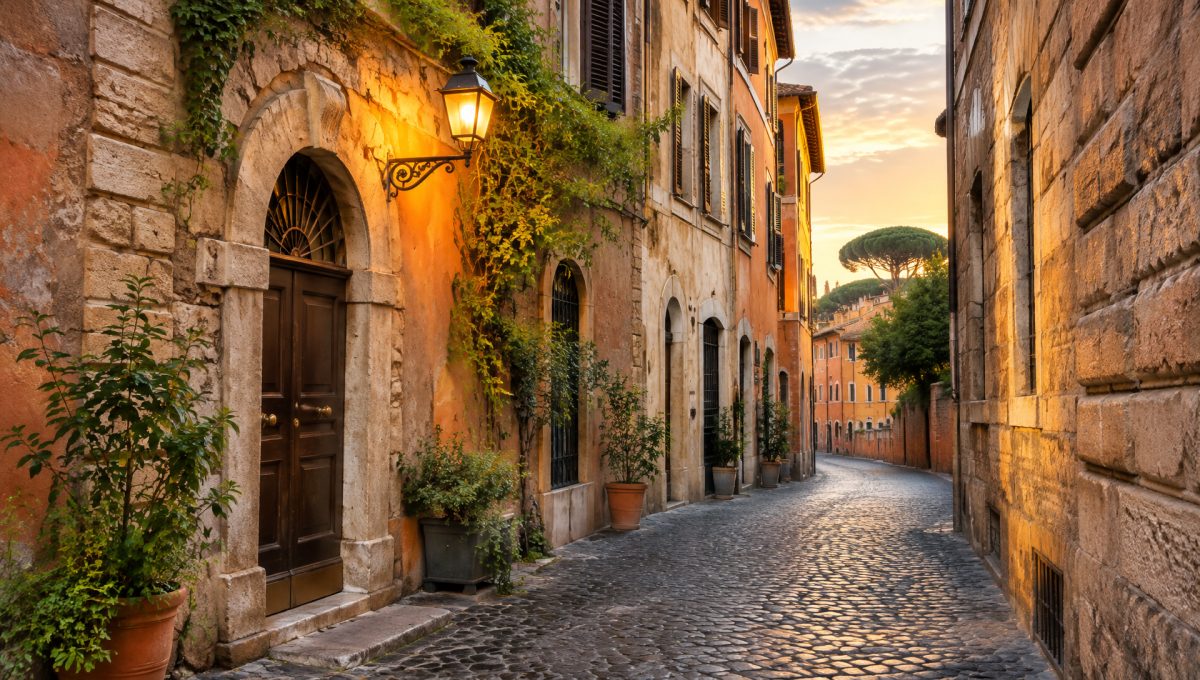
This guide offers a calm, unhurried weekend plan for Rome, focusing on slow exploration and thoughtful choices. It covers a gentle daily flow and advice on selecting a stay that fits a peaceful getaway.
21 May 2026 · 4 min read
* Written with the help of AI and checked by the Aurunum editors before publication.
* AI-generated image