Things to do
Things to Do in Salento, Apulia
Salento, in the southern part of Apulia, offers a mix of coastal charm, historic towns, and quiet countryside. With its blend of seaside villages, ancient sites, and traditional markets, it invites exploration at a relaxed pace. The area’s many towns and villages, from Lecce to Gallipoli, each hold their own character and offer a range of experiences.
Published 24 Nov 2026
Historic Towns and Landmarks
Lecce, known for its baroque architecture, features grand piazzas, ornate churches, and palaces built from local limestone. The city’s historic centre is full of cobbled streets and detailed stone work, reflecting centuries of cultural influence.
Gallipoli, a town on a peninsula, is divided by a narrow channel, with the old town on one side and the modern town on the other. The old town’s streets and seafront promenade are ideal for walking and soaking in the atmosphere. Nearby, Otranto has a cathedral with a mosaic-covered interior and a castle overlooking the Adriatic.
Ugento and Brindisi contain archaeological sites and remnants of ancient Roman life. Taranto, with its maritime history, has a historic district and a harbour that has long been part of the region’s daily life. Melendugno and Nardò offer quieter town centres with traditional stone buildings and local shops.
Coastal Walks and Beaches
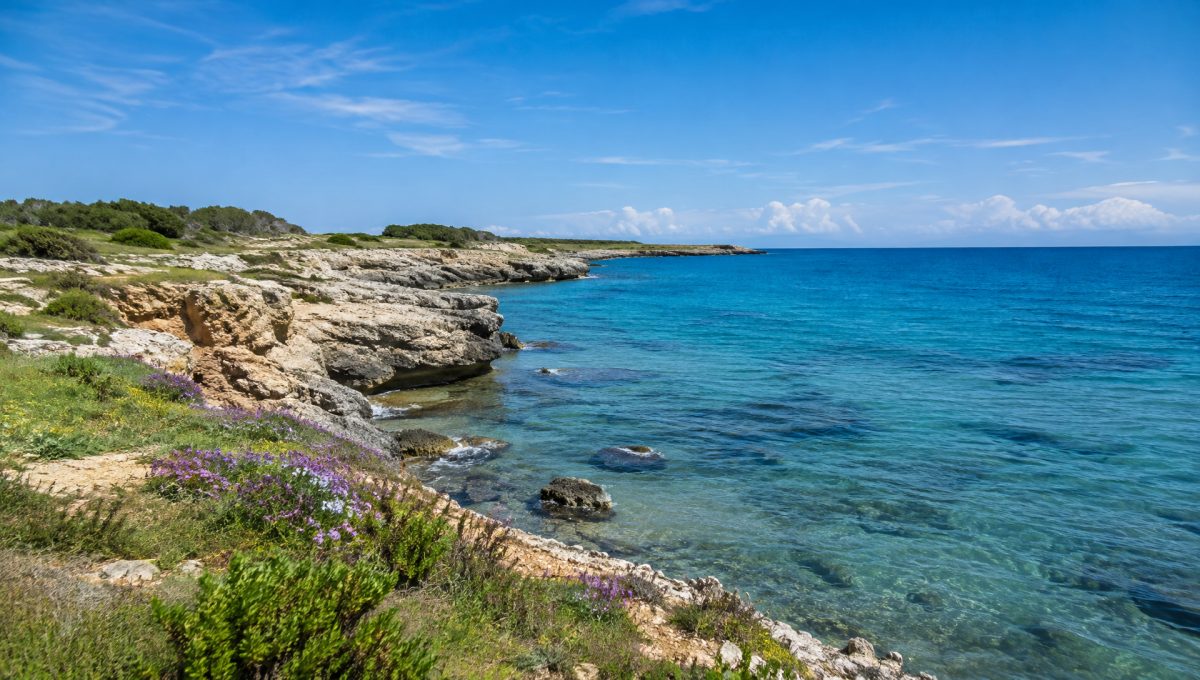
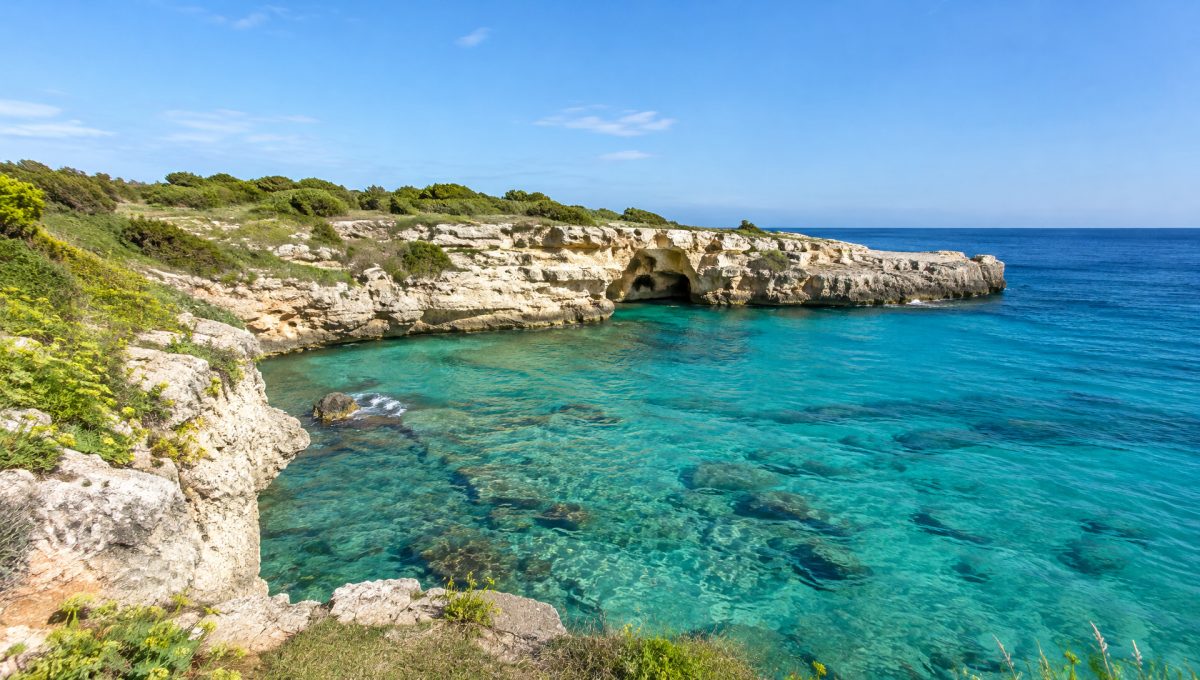
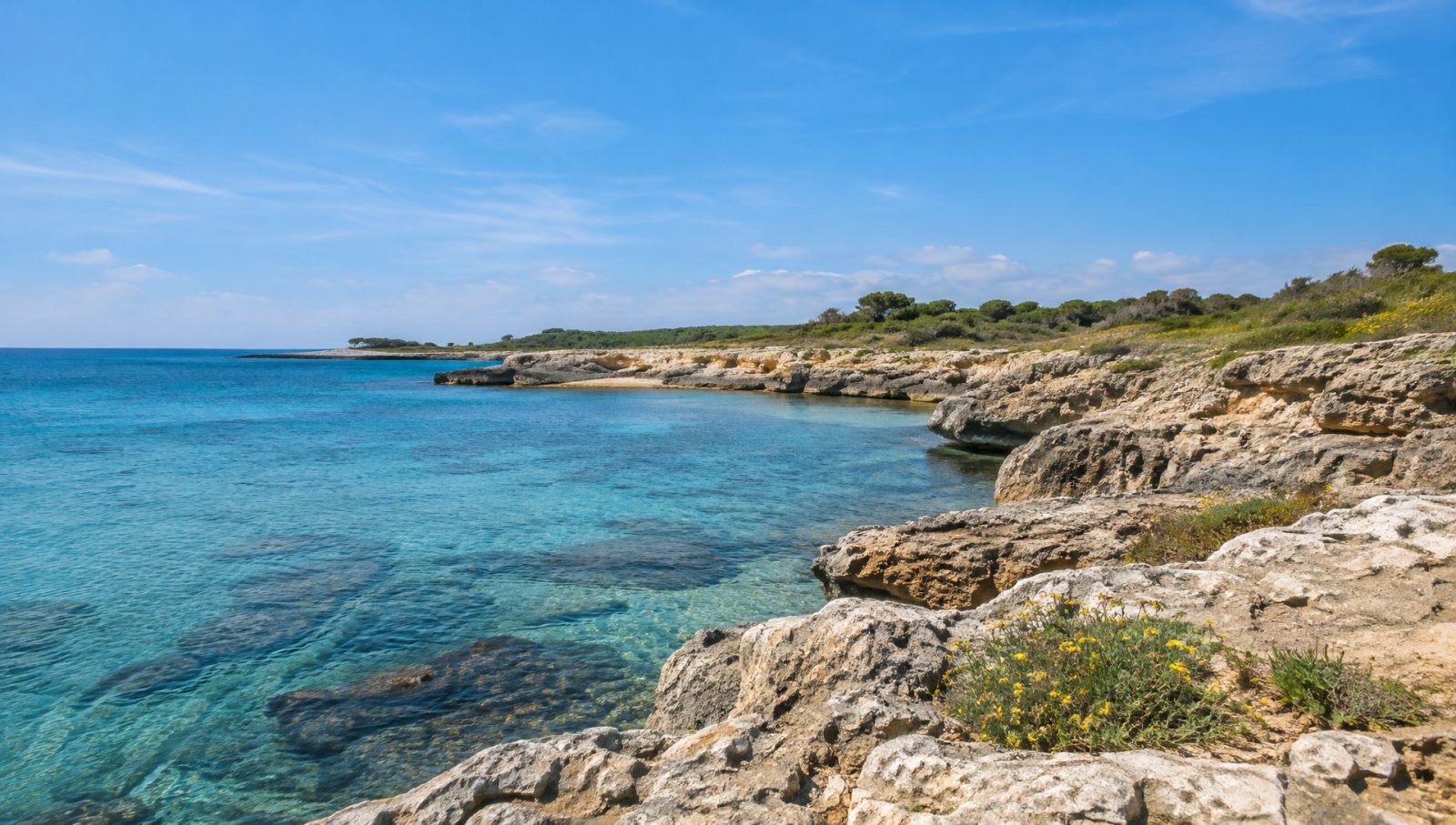
The coastline of Salento follows both the Adriatic and Ionian Seas, with beaches of varying textures and settings. From sandy stretches near Porto Cesareo to rocky coves close to Gallipoli, there are options for different preferences. Coastal paths offer views of the sea and the surrounding landscape.
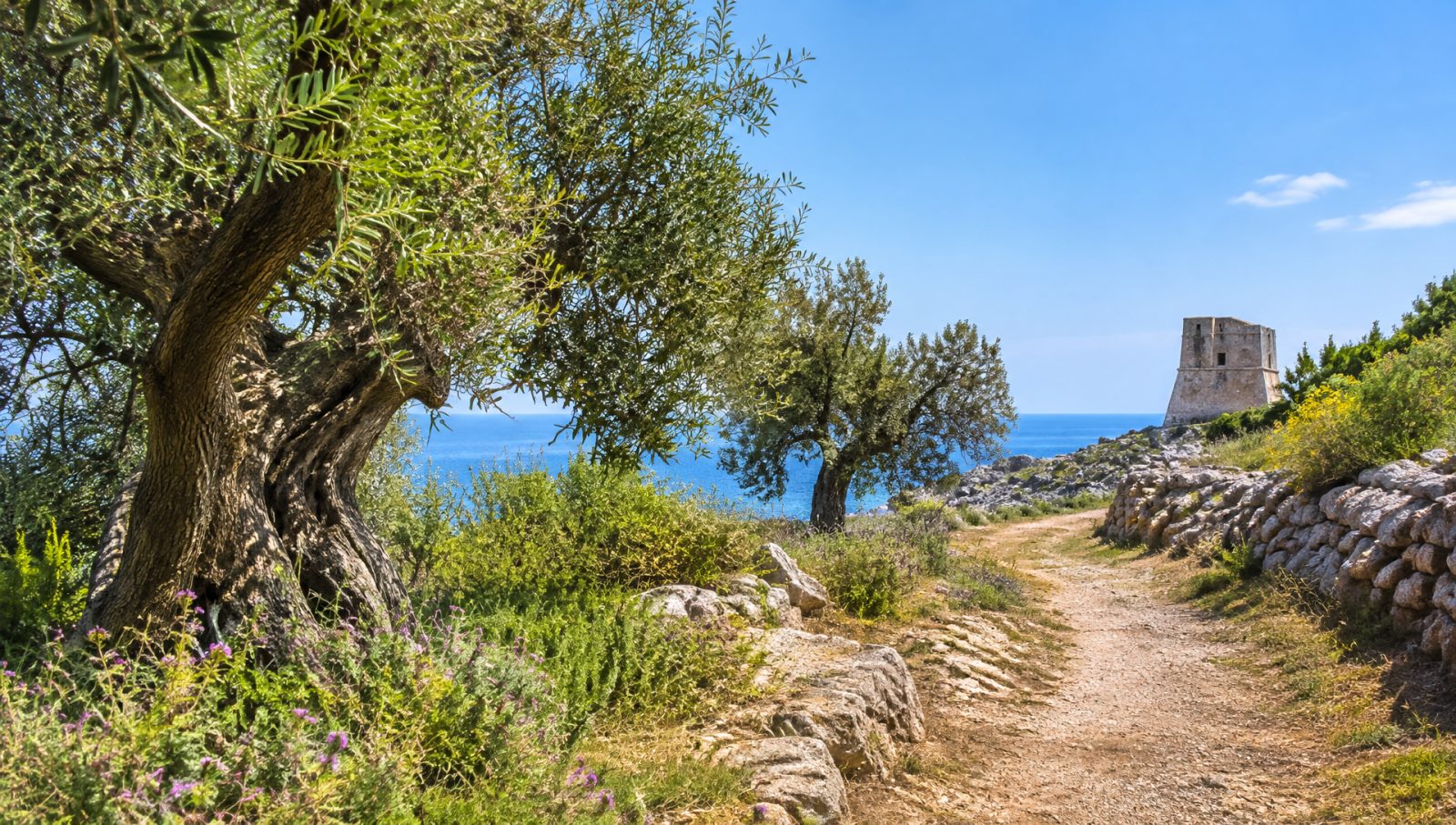
The area between Otranto and Santa Maria di Leuca is known for walking routes that pass through olive groves and near ancient watchtowers. Some beaches are accessible only by foot or boat, adding to the sense of discovery.
Protected natural areas like the Parco Naturale Regionale Costa Otranto, Santa Maria di Leuca e Bosco di Tricase include trails through pine forests and along coastal cliffs. These spaces provide peaceful walks and opportunities to see local wildlife.
Local Food and Markets
Salento’s cuisine relies on fresh, local ingredients. Dishes such as orecchiette pasta, stuffed peppers, and seafood are common in family-run restaurants and local markets. The region is also known for its olive oil, wine, and ricotta cheese.
Weekly markets in towns like Lecce, Nardò, and Gallipoli sell seasonal fruit, breads, cheeses, and handmade goods. These are good places to experience daily life and try regional specialties.
Many stays include breakfast with local bread, jams, and cheese, offering a taste of everyday food culture. Cooking classes and food tours are available in some towns, providing hands-on ways to learn about local traditions.
Day Trips and Nearby Destinations
From Salento, it is possible to visit other parts of Apulia. The ancient city of Matera, with its cave dwellings, lies within reach and offers a different view of southern Italy. The hilltop town of Alberobello, famous for its trulli houses, is another popular destination.
Inland towns such as Ostuni and Cisternino provide a contrast to the coast, with whitewashed buildings, narrow alleys, and local crafts. These towns often host art galleries and small cultural events.
For history, the archaeological site of Egnazia near Brindisi and the Roman ruins in Taranto offer insight into the area’s past. Each town has a museum or cultural centre open to visitors, where local history is shared.
How Your Stay Location Can Help
Stays in the city centre of Lecce or Gallipoli place you near historic sights, restaurants, and shops. These areas are well-suited for those who enjoy walking and being close to activity.
Stays near the seaside offer easy access to beaches and water-based activities. Those in the countryside provide a quieter setting, with views of olive groves and vineyards, ideal for longer walks and relaxation.
Mid-centre or suburban stays in larger towns can offer a balance between convenience and peace. Areas like Piazza Mazzini in Lecce and Baia Dei Turchi near Gallipoli are known for their scenic qualities and proximity to the sea.
Frequently asked questions
What are some towns to visit in Salento?
Towns such as Lecce, Gallipoli, Otranto, and Porto Cesareo are often visited. Each has its own mix of history, culture, and coastal access, with well-preserved old towns and local charm.
Are there good walking routes in Salento?
Yes, Salento has walking routes along the coast and through the countryside. Paths lead through olive groves, past ancient structures, and to quiet coves, offering peaceful and scenic experiences.
Can I find local food markets in Salento?
Yes, weekly markets in towns like Lecce, Nardò, and Gallipoli sell fresh produce, cheeses, breads, and local wines. These are good places to try regional dishes and meet local producers.
Is Salento good for a family holiday?
Yes, many stays in Salento are family-friendly and include amenities like kitchens, gardens, and spacious rooms. The region’s beaches, parks, and cultural sites suit visitors of all ages.
Stays in Salento
- Guesthouse in the town centre in TarantoPhoto 1 of 5


Guesthouse in the town centre in Taranto
Taranto · Town centre
Guesthouse
From €64 night
Restored bed and breakfast 500 m from Montedarena beach in Pulsano
Pulsano · Seaside
Bed & breakfast
From €104 night
Restored holiday home with pool in the town centre of Sannicola
Sannicola · Town centre
Holiday home
From €66 night
Country house in a masseria with pool and garden in Mesagne
Mesagne · Countryside
Country house
From €173 night
Country house in a masseria with pool and roof terrace in Porto Cesareo
Porto Cesareo · Countryside
Country house
From €104 night
Bed and breakfast with panoramic view in the historic centre of Lecce
Lecce · Town centre
Bed & breakfast
From €127 night


Travel stories about Salento
When to go
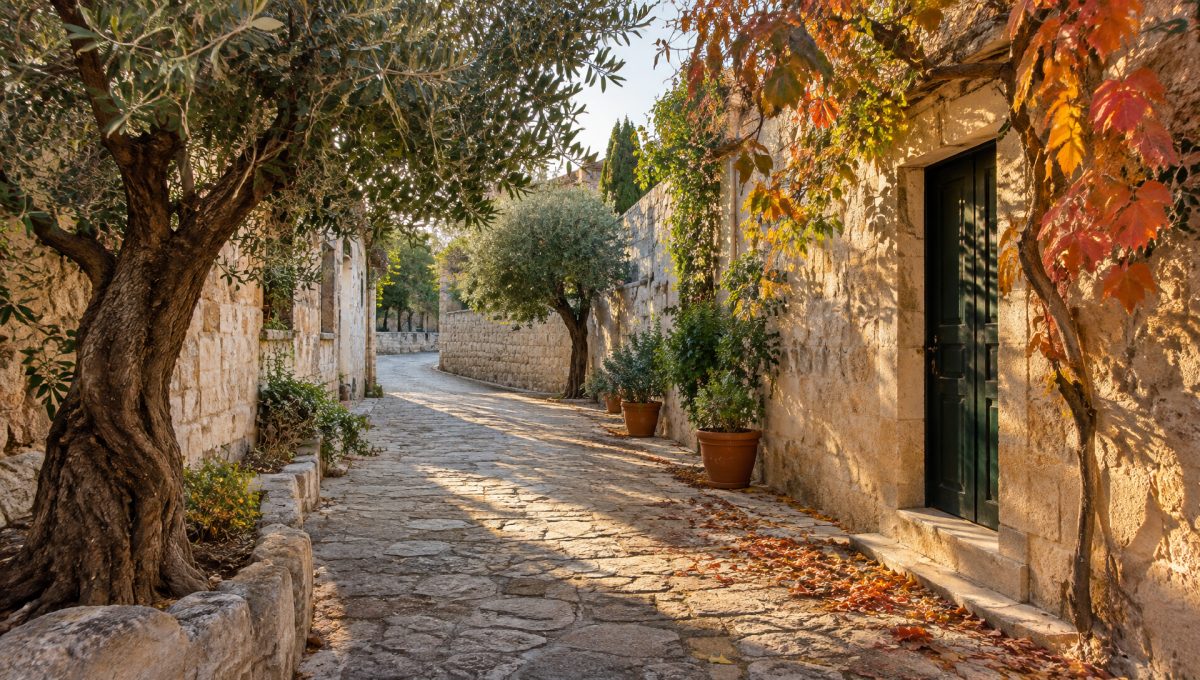
Autumn in Salento: Quiet Days and Harvest Flavours
This article explores the quiet beauty of Salento in November, highlighting the season’s harvests, milder weather, and unhurried pace. It explains how the destination suits those who value calm over crowds and enjoy food rooted in the land.
27 Nov 2026 · 3 min read
Where to stay
Planning a Family Stay in Salento: What to Prioritise
This guide helps families plan a stay in Salento by highlighting key features to look for in holiday rentals. It explains how to describe your family in a booking request to increase the chances of a successful booking.
12 Nov 2026 · 4 min read
Beaches and coast
Finding Quiet Sea Moments in Salento This September
This article explores ways to experience the sea in Salento during September, when the summer rush begins to ease. It offers practical guidance on finding peaceful stretches, ideal times to visit, and the benefits of staying inland.
7 Sept 2026 · 3 min read
* Written with the help of AI and checked by the Aurunum editors before publication.
* AI-generated image