Flavours of Florence: What to Taste in Tuscany’s Heart
This guide introduces the key dishes, ingredients, and food habits of Florence and Tuscany, with practical advice on visiting markets and asking hosts for local recommendations. It helps travellers experience the region’s culinary character during their stay.
By Aurunum editors · 16 Nov 2026 · 4 min read
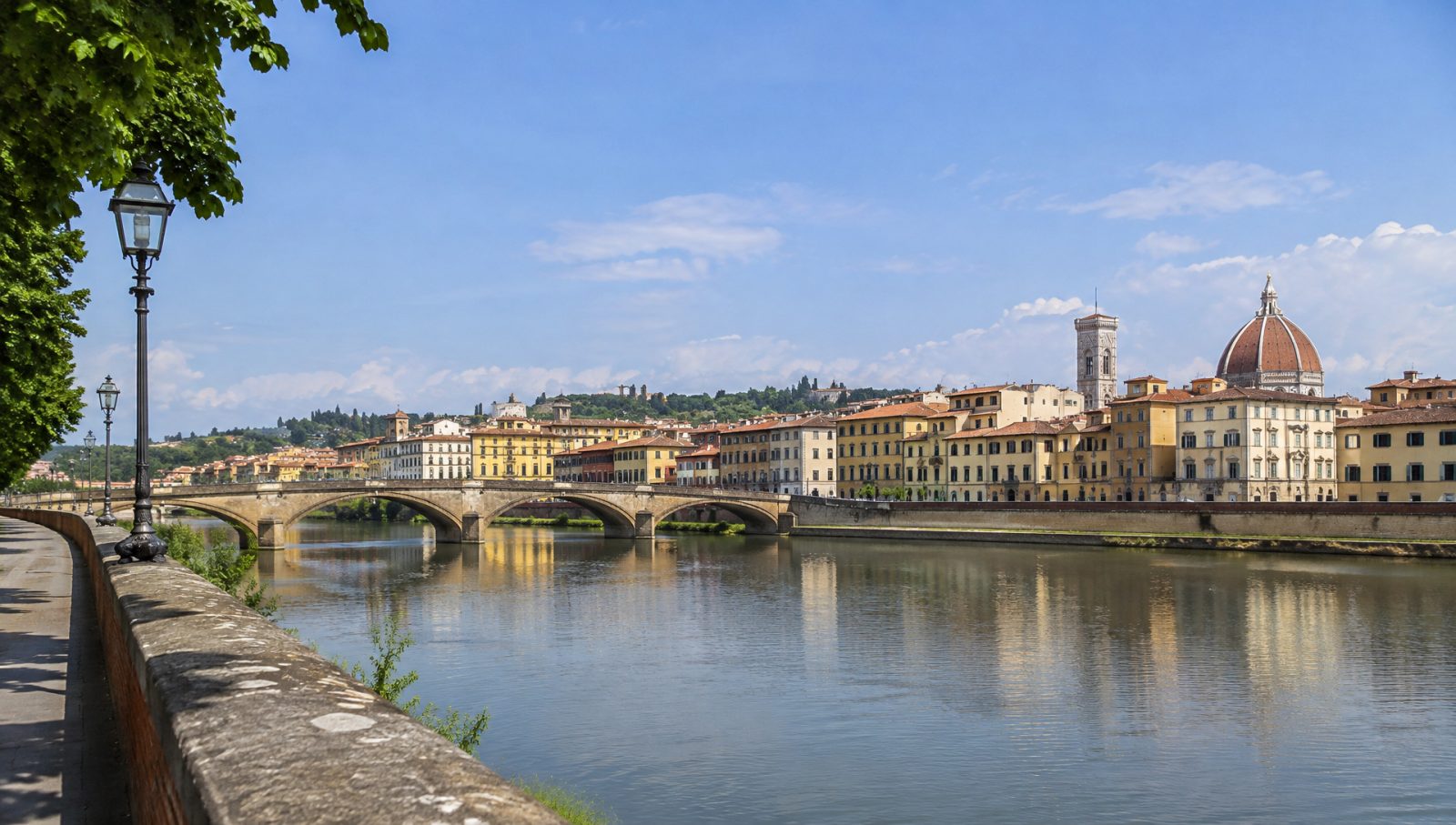
Core Dishes of Florence and Tuscany
Florence is known for hearty, simple dishes that highlight the quality of local ingredients. A staple is ribollita, a thick vegetable and bread soup made with leftover bread, beans, and seasonal greens, often served warm with a drizzle of olive oil.
Another signature dish is bistecca fiorentina, a thick-cut T-bone steak grilled over wood fire and seasoned with salt and pepper. It is typically served rare and shared among two or more people, reflecting the region’s tradition of communal meals.
Pappa al pomodoro, a rustic tomato and bread soup, is also widely enjoyed, especially in the warmer months. It is made with ripe tomatoes, stale bread, garlic, and olive oil, offering a taste of Tuscan countryside simplicity.
Local Ingredients and Regional Flavours
Tuscany’s cuisine relies heavily on seasonal produce, olive oil, and aged cheeses. The region is famous for its Chianti Classico wines, which pair well with many local dishes and are often enjoyed with meals.
Extra virgin olive oil from the Chianti area is a key ingredient in cooking and dressing, valued for its rich aroma and smooth finish. It is used in everything from salads to sauces and even on bread.
Cured meats such as finocchiona, a spiced salami with fennel, and prosciutto from the surrounding hills are commonly found in markets and on charcuterie boards, adding depth and flavour to meals.
Exploring Florence’s Food Markets
The Mercato Centrale, located near Santa Maria Novella station, is a bustling hub of local food. It features stalls selling fresh produce, cheeses, cured meats, and baked goods, offering a lively atmosphere and a chance to taste regional specialties.
For a more traditional experience, visit the Mercato di San Lorenzo, where vendors offer everything from handmade pasta to fresh herbs and seasonal fruit. It’s a great place to pick up ingredients for a picnic or to enjoy a quick snack.
Many markets operate in the morning and early afternoon, making them ideal for early-day visits. Stalls often change daily, so each trip can bring new discoveries.
How to Connect with Local Food Culture
Your stay in Florence offers a chance to learn about food habits from your host. Many hosts are happy to share recommendations on where to find the most authentic local dishes or which markets to visit.
Some holiday homes and apartments come with kitchens, allowing guests to prepare simple meals using ingredients bought from local markets. This can be a rewarding way to experience the rhythm of daily life in the city.
Engaging with your host about food traditions can lead to unexpected tips—like where to find a particular cheese or how to enjoy a traditional Tuscan breakfast.
Good to know
- Visit markets early in the day to find the freshest produce and avoid crowds.
- Ask your host for a local dish they recommend trying during your stay.
- Try a simple meal at a market stall to experience food as locals do.
- Pack a reusable bag for shopping at markets to carry your purchases easily.
- Walk around the Oltr'Arno district to discover small food shops and hidden cafés.
- Bring a small notebook to jot down names of dishes or ingredients you’d like to try later.
- Look for seasonal offerings—many dishes change with the time of year.
Questions and answers
What are the most typical dishes to try in Florence?
Key dishes include ribollita, a bread and vegetable soup; bistecca fiorentina, a grilled T-bone steak; and pappa al pomodoro, a tomato and bread soup. These reflect the region’s emphasis on simple, high-quality ingredients.
Where can I buy local food in Florence?
The Mercato Centrale and Mercato di San Lorenzo are two main markets where you can find fresh produce, cheeses, cured meats, and baked goods. They offer a lively, authentic experience of local food culture.
Can I cook my own meals during my stay?
Many holiday homes and apartments in Florence come with kitchens, allowing guests to prepare meals using ingredients from local markets. This can be a rewarding way to engage with regional food traditions.
Is it common to eat outside restaurants in Florence?
Yes, many visitors enjoy eating at market stalls, small cafés, or by the Arno River. These informal spots offer a chance to taste local food in a relaxed setting.
Stays mentioned in this story
Bed and breakfast for 10 guests in the historic centre of Florence
Florence · Town centre
Bed & breakfast
From €94 night
Bed and breakfast with garden with terrace in the town centre of Florence
Florence · Town centre
Bed & breakfast
From €224 night
- Bed and breakfast in a villa in FlorencePhoto 1 of 5


Bed and breakfast in a villa in Florence
Florence · Rifredi
Bed & breakfast
From €98 night
Bed and breakfast with air conditioning in the town centre of Florence
Florence · Town centre
Bed & breakfast
From €74 night


Destination guides
More travel stories
Food and wine
Harvest Days in Lake Garda: Olives, Grapes and Country Life
This article explores the sensory richness of harvest season in Lake Garda, highlighting the rhythms of olive and grape picking, local food traditions, and the appeal of country stays.
27 Nov 2026 · 4 min read
Food and wine
Flavours of the Itria Valley: What to Taste in Apulia
This guide introduces the core dishes and ingredients of the Itria Valley, highlighting how food is woven into daily life and local culture. It offers practical advice on experiencing authentic tastes through markets and conversations with hosts.
27 Nov 2026 · 4 min read
Food and wine
Harvest Days in Itria Valley: Olives, Grapes and Autumn Traditions
This article explores the harvest season in Itria Valley, highlighting the traditions of olive and grape picking, seasonal food, and the charm of rural stays. It also introduces local markets and cultural events that unfold in November across the region.
23 Nov 2026 · 5 min read
* Written with the help of AI and checked by the Aurunum editors before publication. Checked by the editors on 26 Nov 2026
* AI-generated image