Flavours of the Itria Valley: What to Taste in Apulia
This guide introduces the core dishes and ingredients of the Itria Valley, highlighting how food is woven into daily life and local culture. It offers practical advice on experiencing authentic tastes through markets and conversations with hosts.
By Aurunum editors · 27 Nov 2026 · 4 min read
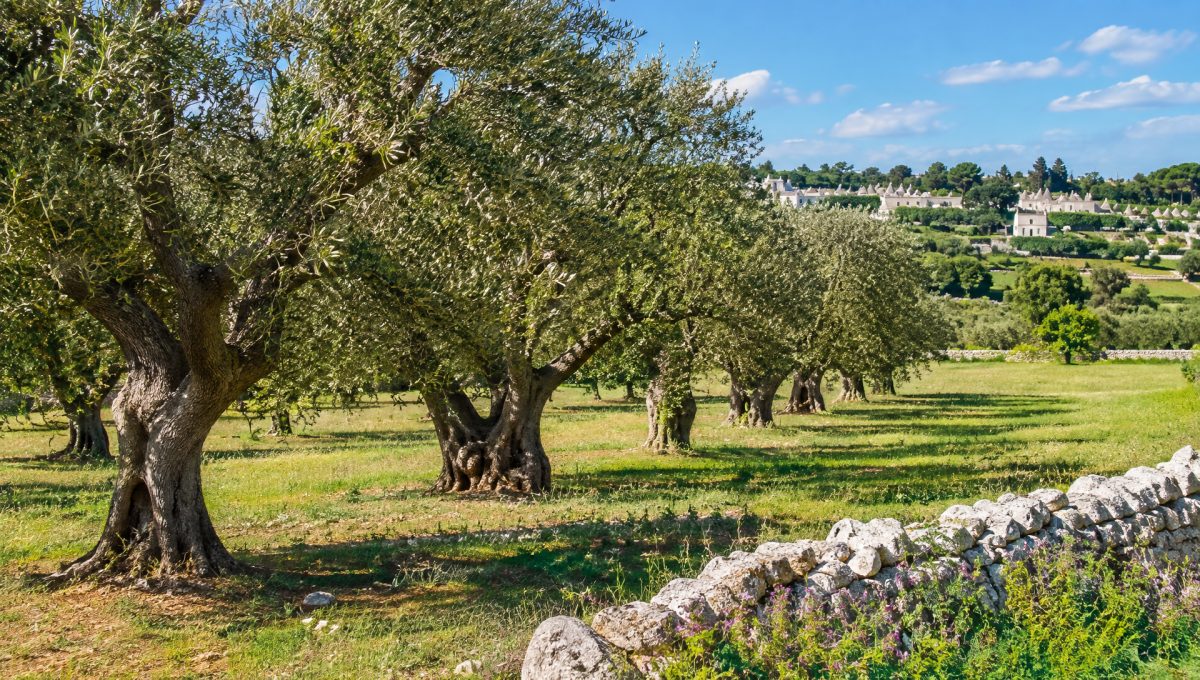
A Taste of the Valley’s Heart
The Itria Valley is shaped by a cuisine rooted in simplicity and seasonal abundance, where olive oil, tomatoes, and wheat take centre stage. Dishes like orecchiette, the region’s signature pasta, are often served with fresh tomato sauce or a rich, slow-cooked turnip and lamb ragù.
Local breads, especially the round, crusty focaccia from Alberobello and Locorotondo, are a staple at meals and often enjoyed with olive oil and salt. These are made from durum wheat, reflecting the valley’s long tradition of grain cultivation.
Cheese lovers will find a range of local varieties, from the soft, creamy ricotta to the more aged, salty caciocavallo, often served at breakfast or as part of a light lunch.
Fresh from the Market
Markets in towns like Martina Franca, Locorotondo, and Alberobello offer a lively glimpse into daily food life. Early mornings bring stalls piled high with tomatoes, peppers, artichokes, and seasonal fruit, often grown just outside the valley.
Visiting a local market is a good way to pick up ingredients for a meal at your holiday home, especially if your stay includes a kitchen. Look for the small, hand-painted signs that mark regional products like olive oil from the nearby hills.
The rhythm of the market is tied to the seasons: spring brings wild greens and fresh peas, summer is full of tomatoes and melons, while autumn sees the arrival of chestnuts and dried legumes.
The Role of the Host
Many stays in the Itria Valley are run by hosts who are proud of their local roots and happy to share food traditions. Asking about the season’s specialities or where they buy their ingredients can lead to thoughtful recommendations.
Some hosts may offer a small basket of local produce upon arrival, or suggest a nearby farm for a visit. These informal exchanges often reveal the real character of the place beyond guidebooks.
Whether you’re staying in a countryside villa or a city-centre apartment, your host may know a good spot for a slice of freshly baked focaccia or a glass of local white wine.
Cooking with the Land
The valley’s landscape influences its food deeply—olive groves, vineyards, and vegetable plots are part of the daily view. This connection to the land means that ingredients are often at their peak when harvested.
Many holiday homes come with a kitchen, giving guests the chance to prepare meals using local produce. A simple dish of grilled vegetables with olive oil and herbs can taste good when made with ingredients picked that day.
If you’re staying in a country house or a rural apartment, you might find a small garden with herbs or a fig tree, adding a personal touch to your cooking.
Good to know
- Visit a local market early in the morning to find the freshest seasonal produce.
- Ask your host about the region’s seasonal dishes when you arrive.
- Look for breads and cheeses made with traditional methods in nearby villages.
- Use your kitchen to cook with local ingredients for a more authentic experience.
- Try a simple meal of bread, olive oil, and tomatoes to taste the valley’s essence.
- Take time to walk through the countryside to see how food is grown and harvested.
- Bring a reusable bag when shopping at markets to carry your purchases.
Questions and answers
What are the most common dishes in the Itria Valley?
The valley is known for orecchiette pasta, often served with tomato sauce or a vegetable ragù. Local breads, cheeses, and dishes made with seasonal vegetables are also central to the cuisine.
Where can I buy fresh local food?
Local markets in towns like Martina Franca, Locorotondo, and Alberobello offer fresh produce, bread, cheese, and olive oil. Many hosts can point you to nearby farms or small shops.
Can I cook with ingredients from the area?
Yes, many holiday homes include a kitchen, and the surrounding countryside provides access to seasonal vegetables, fruits, and herbs. Your host may also suggest where to find local staples.
Is it common to eat bread with olive oil?
Yes, this simple combination is a daily staple. It’s often served with a sprinkle of salt and sometimes with a slice of local cheese or tomato.
Stays mentioned in this story
Restored bed and breakfast in a trullo in the countryside of Locorotondo
Locorotondo · Hills
Bed & breakfast
From €121 night
Restored country house in a trullo in Martina Franca
Martina Franca · Countryside
Country house
From €127 night
Restored stone farmhouse bed and breakfast in Alberobello
Alberobello · Near the centre
Bed & breakfast
From €92 night
Stone B&B in a trullo with pool in the countryside of Locorotondo
Locorotondo · Countryside
Bed & breakfast
From €150 night


Destination guides
More travel stories
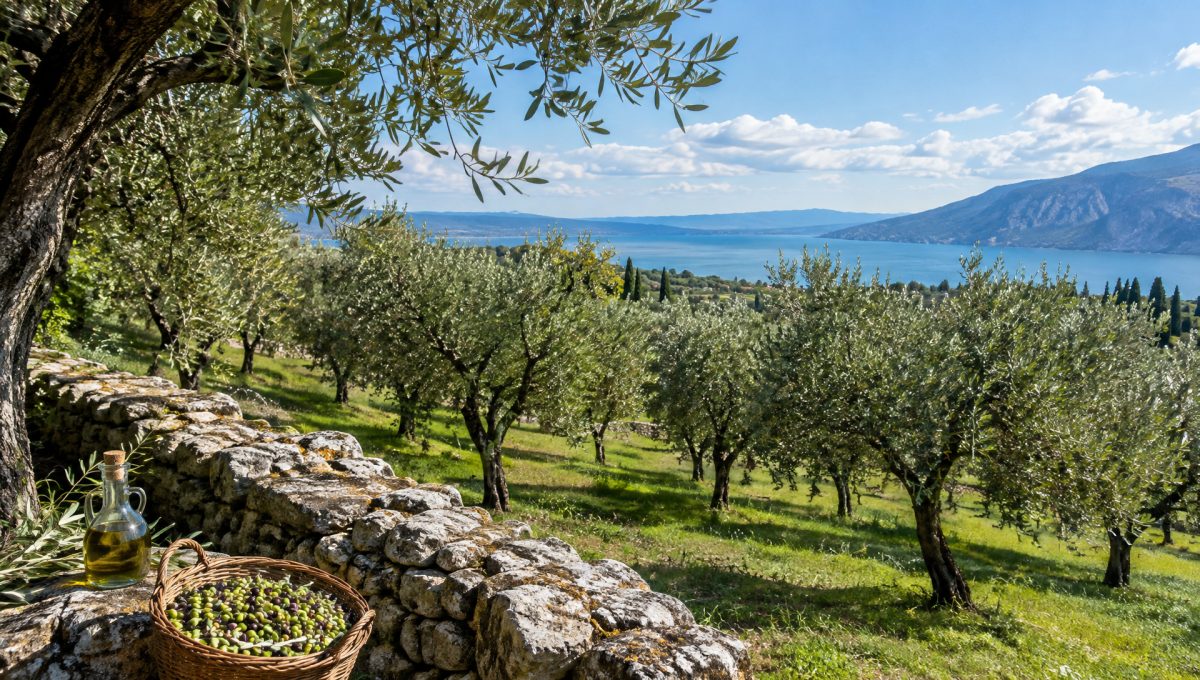
Food and wine
Harvest Days in Lake Garda: Olives, Grapes and Country Life
This article explores the sensory richness of harvest season in Lake Garda, highlighting the rhythms of olive and grape picking, local food traditions, and the appeal of country stays.
27 Nov 2026 · 4 min read
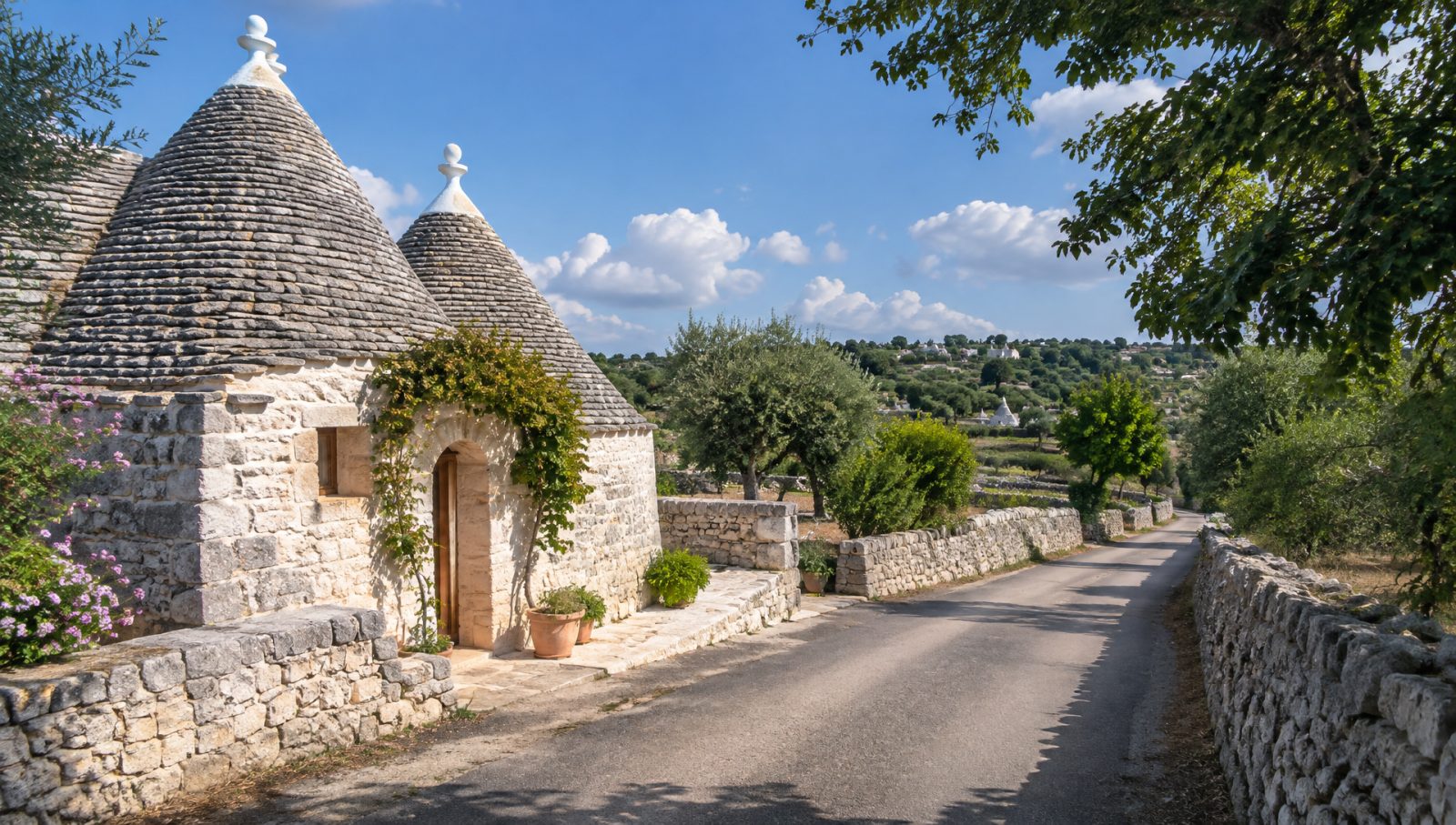
Food and wine
Harvest Days in Itria Valley: Olives, Grapes and Autumn Traditions
This article explores the harvest season in Itria Valley, highlighting the traditions of olive and grape picking, seasonal food, and the charm of rural stays. It also introduces local markets and cultural events that unfold in November across the region.
23 Nov 2026 · 5 min read
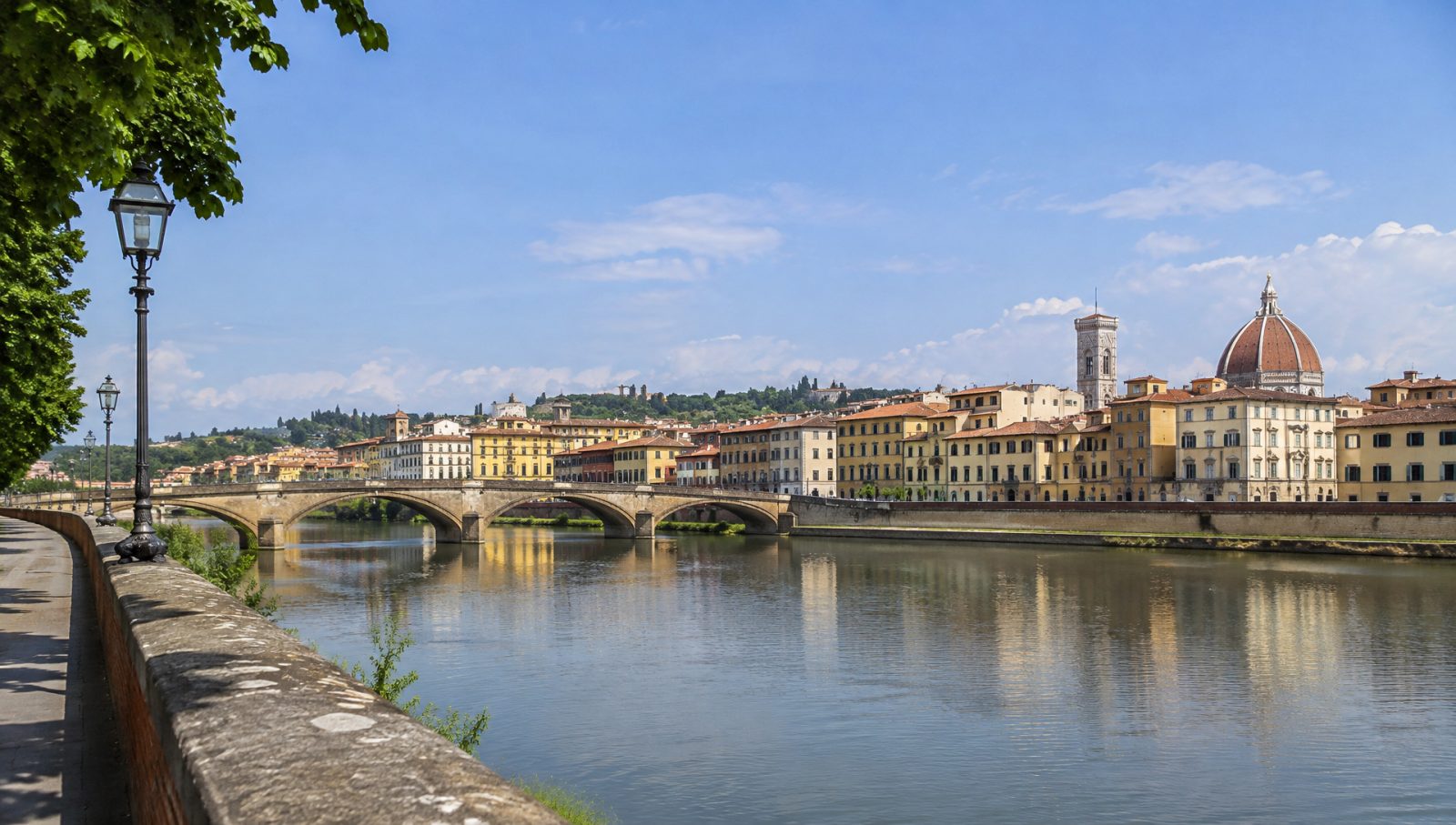
Food and wine
Flavours of Florence: What to Taste in Tuscany’s Heart
This guide introduces the key dishes, ingredients, and food habits of Florence and Tuscany, with practical advice on visiting markets and asking hosts for local recommendations. It helps travellers experience the region’s culinary character during their stay.
16 Nov 2026 · 4 min read
* Written with the help of AI and checked by the Aurunum editors before publication. Checked by the editors on 26 Nov 2026
* AI-generated image