Flavours of Rome: What to Try and Where to Find It
This guide introduces the most widely known foods and eating traditions in Rome, helping you experience the city’s culinary character. Learn where to find authentic flavours and how to connect with hosts for personal suggestions.
By Aurunum editors · 16 Mar 2026 · 3 min read
Rome’s Signature Dishes
Rome’s food culture is shaped by centuries of tradition, with dishes that reflect both simplicity and deep-rooted flavour. Pasta al forno, a baked pasta dish with tomato sauce and cheese, is a staple in many homes and eateries.
Another iconic dish is cacio e pepe, a creamy pasta made with just cheese and black pepper, known for its rich taste and minimal ingredients. It’s often served in trattorias and family-run kitchens across the city.
Offal is also part of the local palate, with dishes like tripe cooked in tomato sauce—often served in traditional settings—offering a taste of Rome’s historical cuisine. These dishes are commonly found in neighbourhoods with long-standing food traditions.
Local Ingredients and Markets
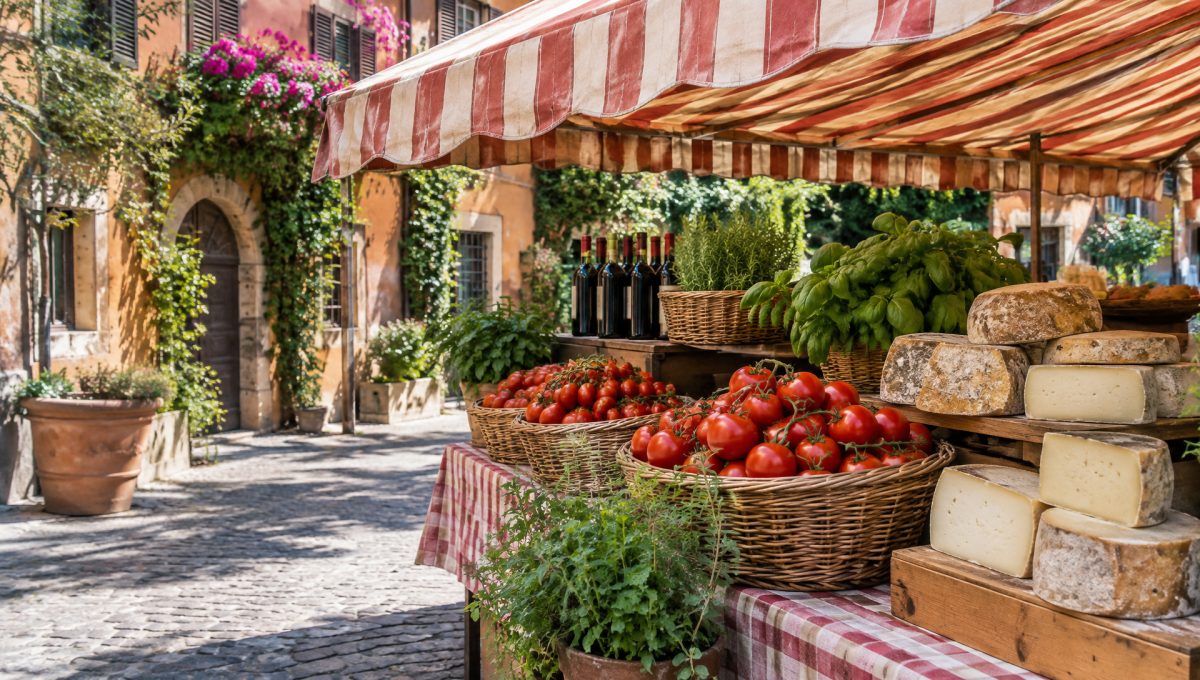
Fresh produce, olive oil, and cured meats form the foundation of Roman meals. Look for seasonal vegetables like artichokes, fennel, and tomatoes, often used in simple preparations that highlight their natural taste.
The city’s markets are excellent places to explore local ingredients. Markets such as Campo de’ Fiori and Testaccio offer a vibrant atmosphere where you can find cheese, bread, herbs, and seasonal fruits.
Many hosts in Rome are happy to point guests toward nearby food shops or weekly markets, especially in areas like Trastevere and Prati, where daily life includes a strong connection to food and community.
Eating Habits and Meals
In Rome, meals are often taken at a relaxed pace, with breakfast being light and typically consisting of coffee and a pastry. Lunch is the main meal of the day, usually eaten between noon and two.
Dinner is generally later, often starting after eight, and many locals enjoy a few courses, including antipasti, pasta, and a simple dessert. It’s common to linger over a meal with friends or family.
The rhythm of eating in Rome reflects a slower, more mindful approach to food, where the act of sharing a meal is as important as the food itself.
Staying in Rome and Local Food
With stays available across Rome, many guests choose to stay in areas like Vaticano, Trastevere, or the City Center, where food is a central part of daily life.
Stays that include breakfast offer a chance to start the day with local treats, while those with a kitchen allow guests to prepare simple meals using ingredients from nearby markets.
Hosts often share their own favourite spots or tips on where to find the most authentic versions of traditional dishes, especially in quieter neighbourhoods where locals live and eat.
Good to know
- Visit a local market early in the day to experience the freshest ingredients and the rhythm of daily life.
- Ask your host for a recommendation on where to try a traditional Roman dish, especially if you’re staying in a residential area.
- Look for small, family-run places rather than tourist-heavy spots for a more authentic meal.
- Try a simple dish like pasta e ceci or supplì to taste something deeply rooted in local tradition.
- Be open to eating later in the evening, as dinner in Rome often begins after eight.
- If your stay includes a kitchen, use it to prepare a meal with ingredients from a nearby market.
- Take time to enjoy your food—Rome’s meals are meant to be savoured, not rushed.
Questions and answers
What are the most typical dishes to try in Rome?
Classic Roman dishes include cacio e pepe, pasta al forno, and tripe cooked in tomato sauce. These are often found in family-run restaurants and local kitchens across the city.
Where can I find fresh local ingredients in Rome?
Markets like Campo de’ Fiori and Testaccio are great for fresh produce, cheese, bread, and seasonal vegetables. Many hosts can guide you to nearby food shops.
Is it common to eat late in Rome?
Yes, dinner in Rome is usually eaten after eight, and many people enjoy a relaxed meal with friends or family. Lunch is typically the main meal of the day.
Can I cook my own meals while staying in Rome?
Many stays include a kitchen, and guests often use local markets to buy ingredients. This allows for a more personal and authentic dining experience.
Stays mentioned in this story
- Restored bed and breakfast in RomaPhoto 1 of 5


Restored bed and breakfast in Roma
Roma · Vaticano
Bed & breakfast
From €76 night
- Restored bed and breakfast for 2 guests in RomaPhoto 1 of 5


Restored bed and breakfast for 2 guests in Roma
Roma
Bed & breakfast
From €86 night
- Bed and breakfast for 29 guests in RomaPhoto 1 of 5


Bed and breakfast for 29 guests in Roma
Roma · Colosseo
Bed & breakfast
From €104 night
Destination guides
More travel stories
Food and wine
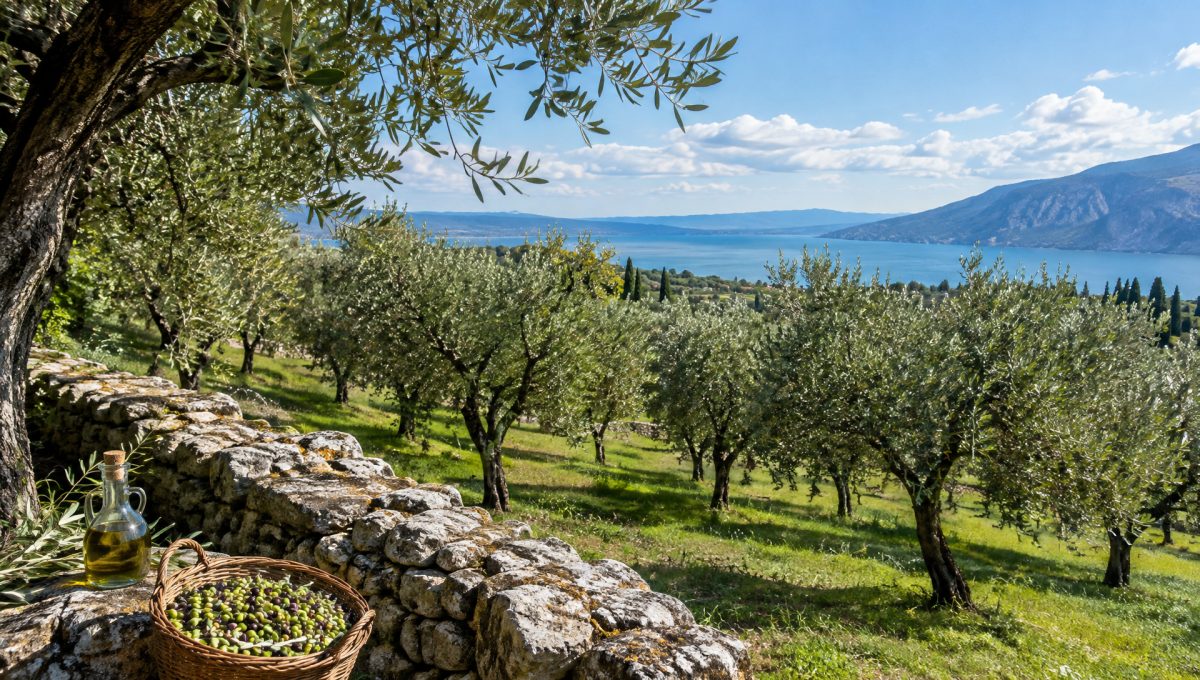
Harvest Days in Lake Garda: Olives, Grapes and Country Life
This article explores the sensory richness of harvest season in Lake Garda, highlighting the rhythms of olive and grape picking, local food traditions, and the appeal of country stays.
27 Nov 2026 · 4 min read
Food and wine
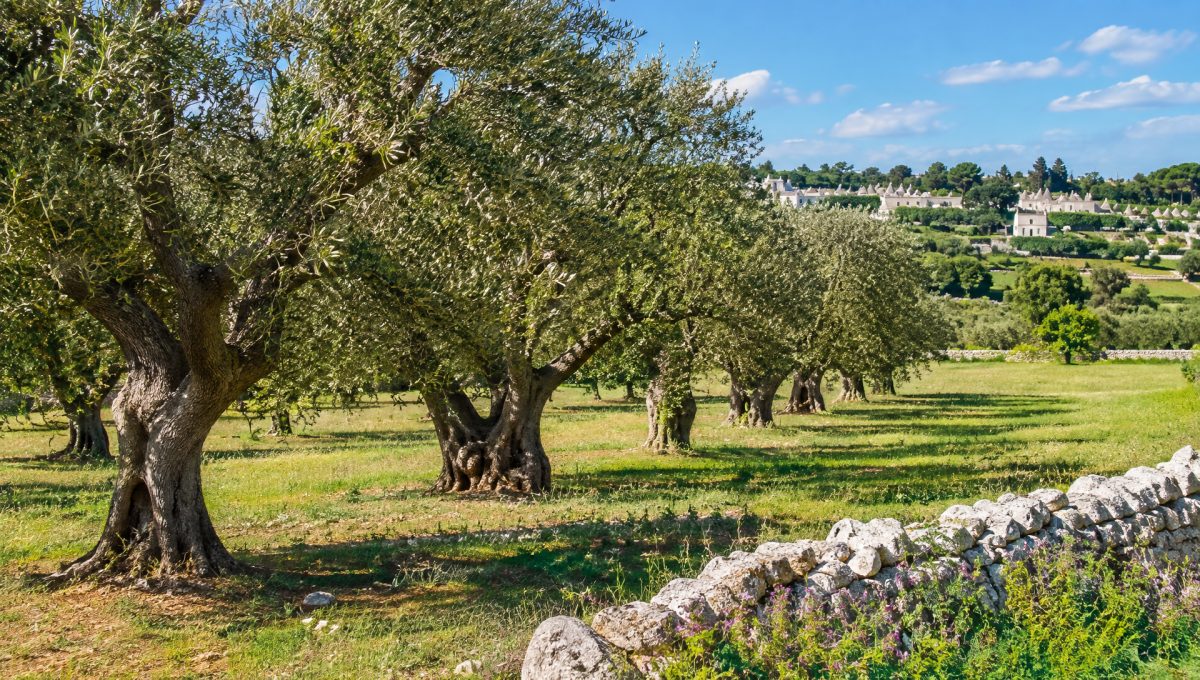
Flavours of the Itria Valley: What to Taste in Apulia
This guide introduces the core dishes and ingredients of the Itria Valley, highlighting how food is woven into daily life and local culture. It offers practical advice on experiencing authentic tastes through markets and conversations with hosts.
27 Nov 2026 · 4 min read
Food and wine
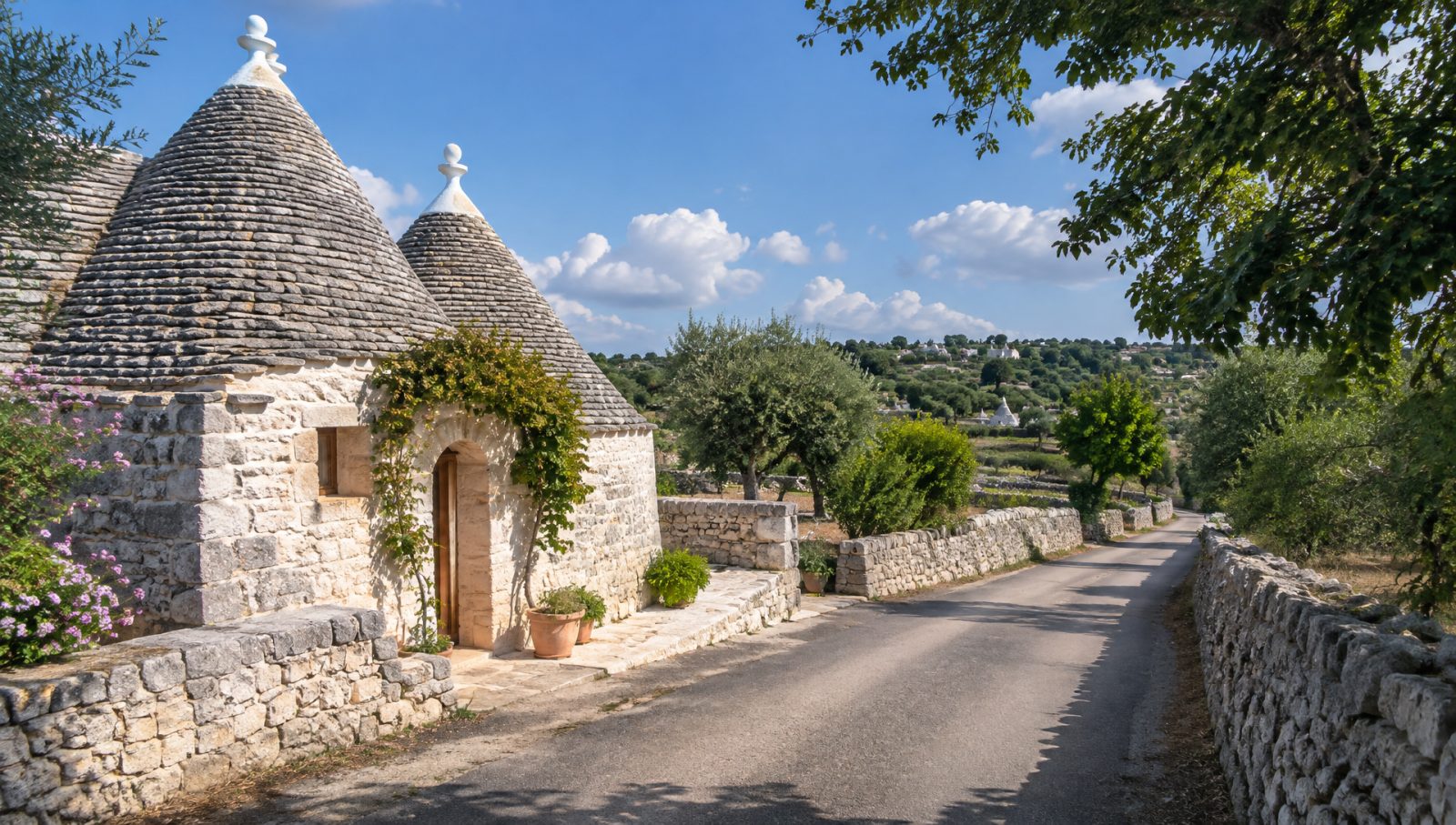
Harvest Days in Itria Valley: Olives, Grapes and Autumn Traditions
This article explores the harvest season in Itria Valley, highlighting the traditions of olive and grape picking, seasonal food, and the charm of rural stays. It also introduces local markets and cultural events that unfold in November across the region.
23 Nov 2026 · 5 min read
* Written with the help of AI and checked by the Aurunum editors before publication. Checked by the editors on 25 Nov 2026
* AI-generated image